Discover the Elegance of Dichigan: A Handwritten Font That Transcends Trends
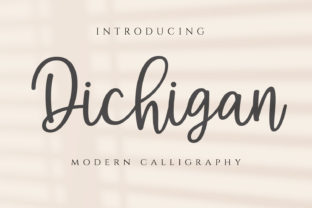
In a world where typography plays a crucial role in visual communication, finding the right font can make all the difference. Dichigan is a standout example of a handwritten font that blends classic calligraphic influences with a modern, fresh aesthetic. Designed to be both versatile and elegant, Dichigan offers a unique visual identity that appeals to a wide range of creative and professional applications.
The Art of Handwritten Typography
Typography is more than just choosing a font—it's about conveying tone, personality, and purpose. Handwritten fonts, in particular, bring a sense of authenticity and warmth to any design. Dichigan captures this essence while maintaining a level of sophistication that feels contemporary. Its design is rooted in traditional calligraphy but has been refined to suit digital and print environments alike.
What sets Dichigan apart is its ability to balance formality with approachability. The font features subtle flourishes and consistent stroke variation that give it a handcrafted feel without appearing overly ornate. This makes it ideal for use in both formal and informal contexts, from invitations and greeting cards to branding materials and digital content.
Why Dichigan Stands Out in the World of Handwritten Fonts
There are countless handwritten fonts available today, each with its own unique style and intended use. However, Dichigan distinguishes itself through its thoughtful design and adaptability. Unlike some fonts that may feel outdated or too stylized for modern applications, Dichigan maintains a timeless appeal that resonates with both designers and end users.
One of the key strengths of Dichigan is its readability. While many handwritten fonts can be difficult to read at smaller sizes, Dichigan ensures clarity without sacrificing character. This makes it suitable for a variety of uses, including signage, labels, and even body text in certain contexts. Its clean lines and balanced spacing contribute to an overall sense of professionalism and elegance.
Additionally, Dichigan is designed to work well across different mediums. Whether you're printing a letterhead or using it on a website, the font retains its visual integrity and legibility. This versatility is a major advantage, especially for creators who need a single font that can adapt to multiple design scenarios.
Use Cases for Dichigan: From Personal Projects to Professional Branding
Handwritten fonts like Dichigan are often associated with personal or creative projects, but they can also play a significant role in professional branding. Here are a few examples of how Dichigan can be applied in real-world situations:
- Letterheads and Stationery: Use Dichigan for company letterheads, thank-you notes, or personalized stationery to add a touch of elegance and individuality.
- Event Invitations: Whether it's a wedding, birthday, or corporate event, Dichigan can help create visually appealing invitations that stand out.
- Branding Materials: Incorporate Dichigan into logos, packaging, or promotional materials to reinforce a brand’s identity and convey a sense of craftsmanship.
- Website Design: Use Dichigan as a heading font on websites to enhance readability and add a stylish, handwritten element to your content.
- Artistic Projects: Artists and designers can use Dichigan in illustrations, posters, or mixed media works to add a unique visual flair.
Each of these applications demonstrates how Dichigan can be used to enhance the visual impact of a design while maintaining a high level of professionalism and usability.
Design Considerations When Using Dichigan
While Dichigan is a versatile font, it's important to consider how it will be used in different contexts. Here are some key design considerations to keep in mind:
1. Readability: Although Dichigan is designed to be readable, it's always a good idea to test it in different sizes and formats to ensure it remains legible. Avoid using it for large blocks of text unless the design specifically calls for a handwritten look.
2. Contrast: To make Dichigan stand out, pair it with contrasting colors or backgrounds. For example, using a dark background with light-colored text can help emphasize the font's elegance and detail.
3. Consistency: Maintain consistency in your design by using Dichigan in appropriate places—such as headings or titles—rather than throughout entire documents. This helps preserve the font's character while ensuring it doesn't overwhelm the reader.
4. Pairing with Other Fonts: Dichigan works well when paired with sans-serif or serif fonts for a balanced composition. Experiment with different font combinations to find the best visual harmony for your project.
5. Cultural and Contextual Relevance: Consider the cultural and contextual implications of using a handwritten font. In some cases, a handwritten style may not be appropriate, so it's important to choose a font that aligns with your message and audience.
Comparing Dichigan to Other Handwritten Fonts
When selecting a handwritten font, it's helpful to compare it with other popular options to understand its unique qualities. Here's how Dichigan stacks up against some commonly used handwritten fonts:
- Cursive: Cursive fonts often have a more fluid and flowing appearance, which can be less structured than Dichigan. While cursive fonts offer a classic feel, they may not be as readable at smaller sizes.
- Script: Script fonts are typically more decorative and can be harder to read. Dichigan, on the other hand, maintains a clear and legible structure while still retaining a handwritten charm.
- Brush Script: Brush script fonts are known for their bold, expressive strokes, which can sometimes feel overwhelming. Dichigan offers a more refined and balanced alternative that is easier to integrate into a variety of designs.
- Handwritten: Many handwritten fonts lack the consistency and refinement found in Dichigan. By focusing on structure and readability, Dichigan provides a more polished and professional appearance.
These comparisons highlight why Dichigan is a strong choice for designers looking for a font that combines elegance with practicality.
Conclusion: Embracing the Beauty of Handwritten Design
Typography is a powerful tool in design, and Dichigan exemplifies how a handwritten font can transcend trends and remain relevant in both personal and professional settings. Its blend of calligraphic influence and contemporary style makes it a versatile option for a wide range of applications.
Whether you're creating a simple invitation, designing a brand identity, or experimenting with artistic projects, Dichigan offers a unique visual identity that enhances the message and aesthetic of your work. By understanding its characteristics, advantages, and potential use cases, you can make informed decisions about how to incorporate this beautiful font into your creative toolkit.