Blackboard Font: A Bold Statement for Designers
The Power of Visual Impact
When it comes to typography, the right choice can make all the difference. Blackboard is a font that doesn’t just speak—it commands attention. Designed as a display typeface, it’s built for impact, making it ideal for situations where you want your message to stand out. Whether you're creating a logo, designing a poster, or crafting a headline, Blackboard offers a unique blend of artistic flair and professional polish.
What Makes Blackboard Unique?
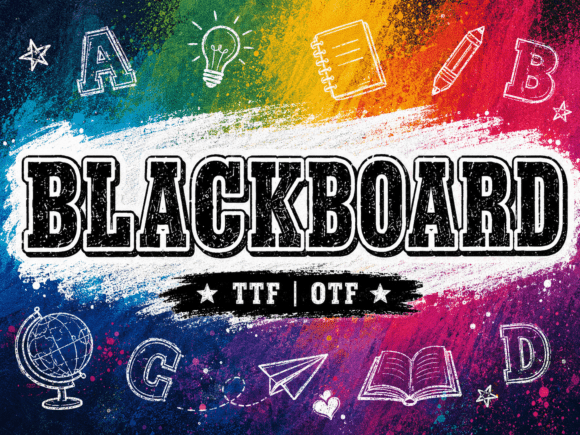
Blackboard is an uppercase-only font, which means it's tailored for high-impact use. Its design features intricate artistic elements that give each letter a distinct personality. This makes it perfect for projects where every character needs to be a visual statement. The font maintains a strong visual identity while still feeling refined and versatile enough for both creative and professional settings.
Available in two file formats—OTF and TTF—Blackboard ensures compatibility with most design software and operating systems. The OTF format supports advanced typographic features, making it a favorite among designers who need precision and control. The TTF version, on the other hand, guarantees broad accessibility across devices and platforms.
Where Can Blackboard Be Used?
Blackboard isn’t just for headlines. It’s a font that thrives in environments where boldness and creativity are valued. Let’s explore some practical applications:
- Branding and Logos: The uniqueness of Blackboard makes it a top choice for logos, especially in industries like fashion, art, and technology. Its strong visual presence helps brands stand out in a crowded market.
- Creative Packaging: From product labels to packaging designs, Blackboard adds a touch of sophistication and artistry that can elevate the overall look of a brand.
- Artistic Projects: Whether it’s a gallery exhibition, a digital artwork, or a custom illustration, Blackboard brings a level of creativity that aligns perfectly with artistic vision.
- Marketing Materials: Headlines, banners, and promotional content benefit from the dramatic effect of Blackboard. It’s a great tool for capturing attention quickly and effectively.
- Education and Presentations: In classrooms or professional settings, Blackboard can be used to create eye-catching titles, infographics, or visual aids that enhance engagement and retention.
- Digital Content: Websites, social media posts, and email campaigns can leverage Blackboard to create a memorable visual identity that resonates with audiences.
Why Choose Blackboard Over Other Fonts?
While there are many display fonts available, Blackboard stands out due to its balance between artistic expression and readability. It’s not just about looking good—it’s about communicating effectively. The font’s strong visual personality ensures that your message is seen, remembered, and appreciated.
Another advantage is its versatility. Although it’s designed for uppercase use, it works well in a variety of contexts. From minimalist designs to more elaborate layouts, Blackboard adapts to different styles without losing its distinctive character.
Additionally, the availability of both OTF and TTF files ensures that users can work seamlessly across different design tools and platforms. This flexibility is essential for professionals who need to maintain consistency across multiple projects and mediums.
Practical Considerations
Before selecting Blackboard, it’s important to consider its limitations. Since it’s an uppercase-only font, it may not be suitable for everyday text or long-form content. However, this limitation is precisely what makes it so powerful for specific applications.
For those new to using display fonts, it’s recommended to start with small-scale projects to test how Blackboard performs in different contexts. Experimenting with spacing, contrast, and pairing it with complementary fonts can help achieve the best results.
Also, always ensure that you’re using the correct file format for your intended use case. If you’re working with advanced design software, the OTF format will offer more features and better performance. For general use, the TTF format provides reliable compatibility.
Real-World Applications and Examples
Consider a local boutique that wants to revamp its branding. By incorporating Blackboard into their logo and packaging, they can create a unique identity that reflects their artistic and sophisticated brand image. Similarly, a tech startup might use Blackboard in their website headers to make a bold statement about innovation and creativity.
For educators, Blackboard could be used in classroom materials or presentations to highlight key concepts. A freelance graphic designer might use it in client proposals or portfolio displays to showcase their style and professionalism.
In digital marketing, Blackboard can be a valuable asset for social media graphics, email newsletters, or banner ads. Its strong visual presence helps content stand out in a sea of information, increasing engagement and recall.
Final Thoughts
Blackboard is more than just a font—it’s a tool for making an impression. Whether you’re a designer, marketer, educator, or entrepreneur, its bold and artistic nature can elevate your work in meaningful ways. By understanding its strengths and limitations, you can harness its power to create visually striking and impactful designs that resonate with your audience.