Anemouth: A Bold Choice for Design and Expression
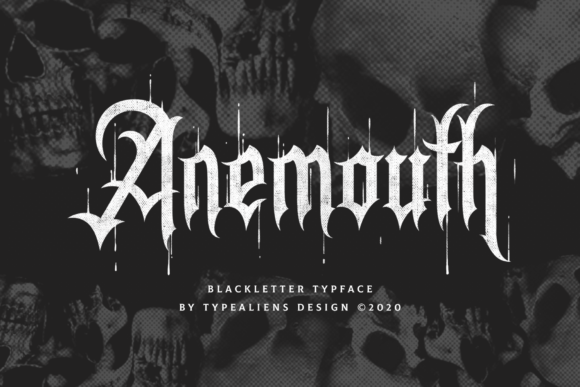
When it comes to typography, the right font can make all the difference. Anemouth is an incredibly daring and strong lettered blackletter font that stands out in a sea of standard typefaces. Its boldness and unique aesthetic make it a powerful tool for designers, creators, and professionals looking to add visual impact to their work.
The Power of Blackletter Typography
Blackletter fonts have a rich history rooted in medieval calligraphy. They are characterized by their ornate, flowing strokes and intricate details. Anemouth takes this tradition and modernizes it with a contemporary edge. The result is a font that feels both timeless and fresh, offering a distinctive visual identity that commands attention.
What sets Anemouth apart is its ability to balance elegance with strength. It’s not just about looks—it’s about making a statement. Whether you're designing a logo, creating a poster, or building a brand, Anemouth provides a unique way to convey authority and character.
Key Characteristics of Anemouth
Let’s break down what makes Anemouth stand out:
- Strong Visual Presence: Anemouth is designed to be seen. Its thick strokes and sharp angles create a commanding presence on any page or screen.
- Distinctive Letterforms: Each letter in Anemouth is carefully crafted to maintain readability while retaining its bold, artistic flair.
- High Contrast: The contrast between thick and thin strokes adds depth and dimension, making it ideal for both print and digital use.
- Adaptable: Despite its bold nature, Anemouth remains legible at various sizes, making it versatile for different design needs.
- Cultural Resonance: With its roots in traditional typography, Anemouth evokes a sense of heritage and craftsmanship that resonates with many audiences.
Practical Applications Across Industries
While Anemouth may seem like a niche choice, its versatility makes it suitable for a wide range of applications. Here are some real-world examples:
Branding and Logo Design
For businesses aiming to stand out, Anemouth can serve as a striking element in logos and branding materials. Its bold appearance conveys confidence and professionalism, making it ideal for industries such as law, finance, and luxury goods.
Marketing and Advertising
In marketing campaigns, Anemouth can help capture attention quickly. Use it for headlines, taglines, or promotional banners to create a memorable impression. Its strong visual identity can reinforce brand messaging and increase recall.
Education and Publishing
While it might not be the first choice for body text, Anemouth can be used effectively in titles, chapter headings, or course materials. Its distinctiveness can enhance the learning experience by making content more engaging and visually stimulating.
Creative Projects
Artists, illustrators, and designers often seek fonts that can elevate their work. Anemouth offers a unique opportunity to add character and personality to creative projects, whether it's a book cover, a graphic design piece, or a digital artwork.
Considerations for Effective Use
Before jumping into using Anemouth, there are a few practical considerations to keep in mind:
- Readability: While Anemouth is bold and striking, ensure it’s used in contexts where clarity is essential. Avoid using it for long passages of text.
- Pairing with Other Fonts: To maintain balance, pair Anemouth with simpler, cleaner fonts for body text. This creates a harmonious design without overwhelming the reader.
- Digital vs. Print: Anemouth performs well in both formats, but always test it across different platforms to ensure it renders correctly.
- Accessibility: Consider how Anemouth appears to users with visual impairments. Ensure sufficient contrast and legibility when using it in web or app designs.
- Consistency: Maintain consistency in your design by using Anemouth consistently across all relevant elements—logos, headers, buttons, etc.
By thoughtfully integrating Anemouth into your design toolkit, you can unlock new levels of creativity and impact. It’s not just a font—it’s a statement.